Why luck is just one piece of the casino puzzle
The Role of Luck in Gambling
Luck is often perceived as the primary factor determining success in casino games, which is why many players seek out options like a fast withdrawal casino to enhance their experience. Many players enter these establishments with the belief that a streak of good luck can result in sizable wins. However, this notion simplifies the intricacies of gambling. While it is true that many casino games rely on chance, luck is just one component of a much larger equation. It can influence short-term outcomes, but sustained success in gambling often requires more than mere fortune.
Players frequently recall personal stories of incredible wins that appear to validate the power of luck. However, these anecdotes can obscure the reality that the odds are typically stacked against players in the long run. For instance, slot machines are programmed with Return to Player (RTP) percentages, which means that over time, the house will always edge players out. Relying on luck alone might lead to thrilling moments, but ultimately, it is a gamble that often results in losses when not backed by strategy.
While luck can spark excitement and hope, it is essential to maintain a balanced perspective. Understanding that luck is fleeting allows players to approach their time at casinos more thoughtfully. This mindset encourages them to develop strategies that can help mitigate losses and maximize enjoyment, reminding them that luck should be seen as just one element of a more comprehensive gambling experience.
Skill and Strategy: The Key to Winning
As many seasoned players understand, skill and strategy play a crucial role in determining outcomes in various casino games. Games like poker, for instance, rely heavily on players’ abilities to read opponents and make calculated decisions. Unlike purely luck-based games, those that allow for strategic play enable players to influence their success significantly. Mastering various strategies can often lead to more consistent results than simply hoping for a lucky break.
In addition to poker, other games like blackjack and baccarat also require a degree of skill. Knowing when to hold, fold, or take additional actions can dramatically change the game’s course. Players who invest time in learning these strategies can improve their odds significantly while minimizing losses. This knowledge transforms the casino experience from a mere game of chance into a contest of intellect and planning.
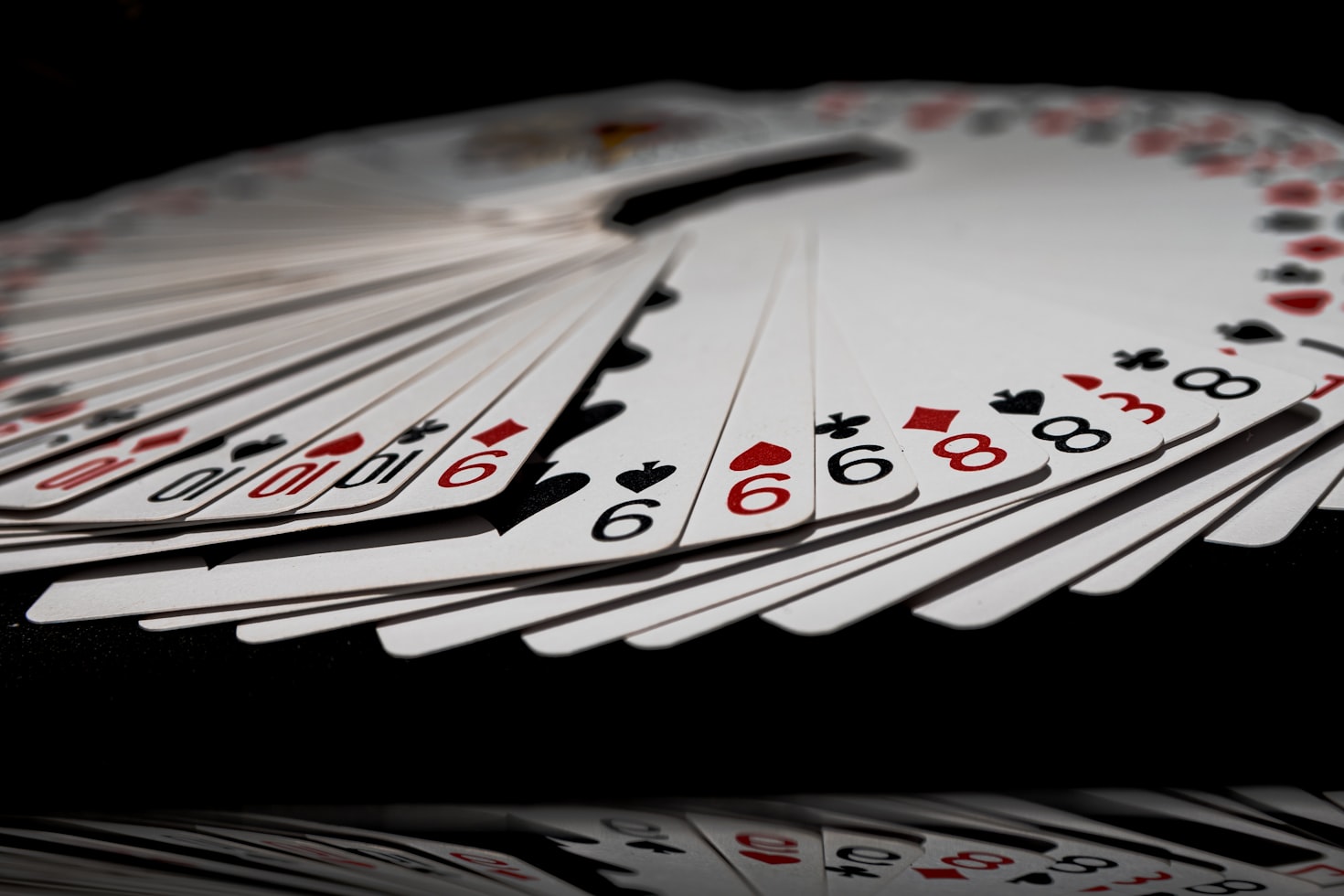
Moreover, the application of bankroll management strategies cannot be overlooked. Even the most skilled players can face losing streaks, and having a well-thought-out approach to managing one’s funds is essential. This strategic planning allows players to stay in the game longer and potentially capitalize on those lucky moments when they arise. By blending skill with an understanding of luck, players can create a well-rounded gaming strategy that enhances their overall experience.
The Psychological Aspect of Gambling
The psychology of gambling cannot be understated when discussing the casino experience. Players often confront various emotions, from exhilaration to anxiety, each influenced by their perception of luck and skill. This emotional rollercoaster can impact decision-making and ultimately, the outcomes of their gaming sessions. Understanding this psychological element helps players recognize how their mental state can affect their gambling behavior.
For instance, the phenomenon known as the “Gambler’s Fallacy” can lead players to make poor decisions based on a misunderstanding of probability. They may believe that past events will influence future outcomes, such as thinking that a losing streak indicates a forthcoming win. Such misconceptions can cloud judgment and lead to increased risk-taking, diverging from sound strategic practices. By educating themselves about these psychological traps, players can make better-informed decisions that enhance their chances of success.
Additionally, developing a resilient mindset can be beneficial. Gambling can be a test of patience, particularly during extended losing streaks. Players who cultivate a balanced emotional outlook are more likely to stick to their strategies, resist impulsive bets, and take breaks when necessary. Understanding the psychological dimensions of gambling empowers players to engage with luck and strategy on their terms, enhancing their overall enjoyment and minimizing potential losses.
The Importance of Game Selection
Choosing the right games can make a significant difference in one’s gambling experience. Not all casino games are created equal when it comes to the balance between luck and skill. For instance, while slot machines are purely based on chance, options like poker or blackjack offer players the opportunity to apply their strategies effectively. Understanding the differences in game dynamics can guide players toward selections that better align with their skills and goals.
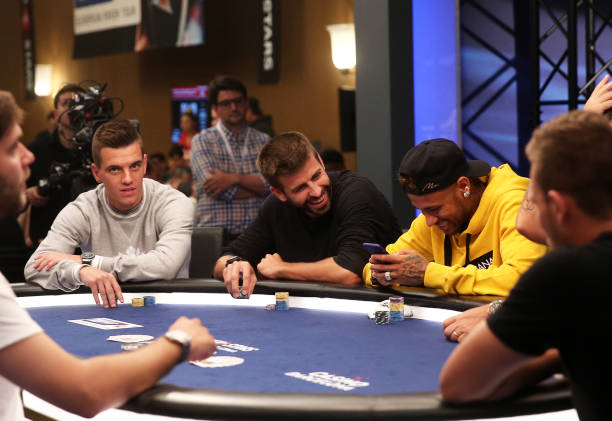
Moreover, casino games also vary in terms of house edge, which directly impacts players’ potential returns. A game with a lower house edge provides a better opportunity for players to enjoy longer winning streaks, while those with higher edges may lead to quicker losses. By educating themselves about different games and their respective odds, players can make more informed choices that serve their objectives, whether for fun or profit.
Additionally, players should consider their personal playing styles when selecting games. Those who thrive on social interaction may prefer games like poker or craps, where they can engage with other players, whereas solitary players might enjoy the quick pace of slot machines or online table games. By assessing their preferences alongside the financial aspects of each game, gamblers can tailor their choices to ensure an enjoyable experience while also keeping luck in perspective.
Final Thoughts on the Casino Experience
The world of casinos is multifaceted, with luck being just one of many components that contribute to the experience. While chance plays a role, understanding the importance of skill, strategy, and psychological factors can turn casual players into more informed and effective gamblers. Embracing a holistic approach to gambling allows players to enjoy the thrill of games while safeguarding against the pitfalls associated with over-reliance on luck.
In essence, successful gambling involves recognizing that while luck can provide momentary highs, it is the combination of strategy, emotional control, and smart game selection that leads to sustainable enjoyment and potential success. Players who are willing to learn and adapt can navigate the ups and downs of their casino experiences with greater resilience and insight.
Ultimately, approaching gambling with a well-rounded perspective invites players to delve deeper into the intricacies of this complex world. As players explore various strategies, games, and psychological angles, they will find that the true essence of the casino experience lies in the balance between luck and skill, making their time spent in these vibrant environments all the more rewarding.
Sorry, the comment form is closed at this time.